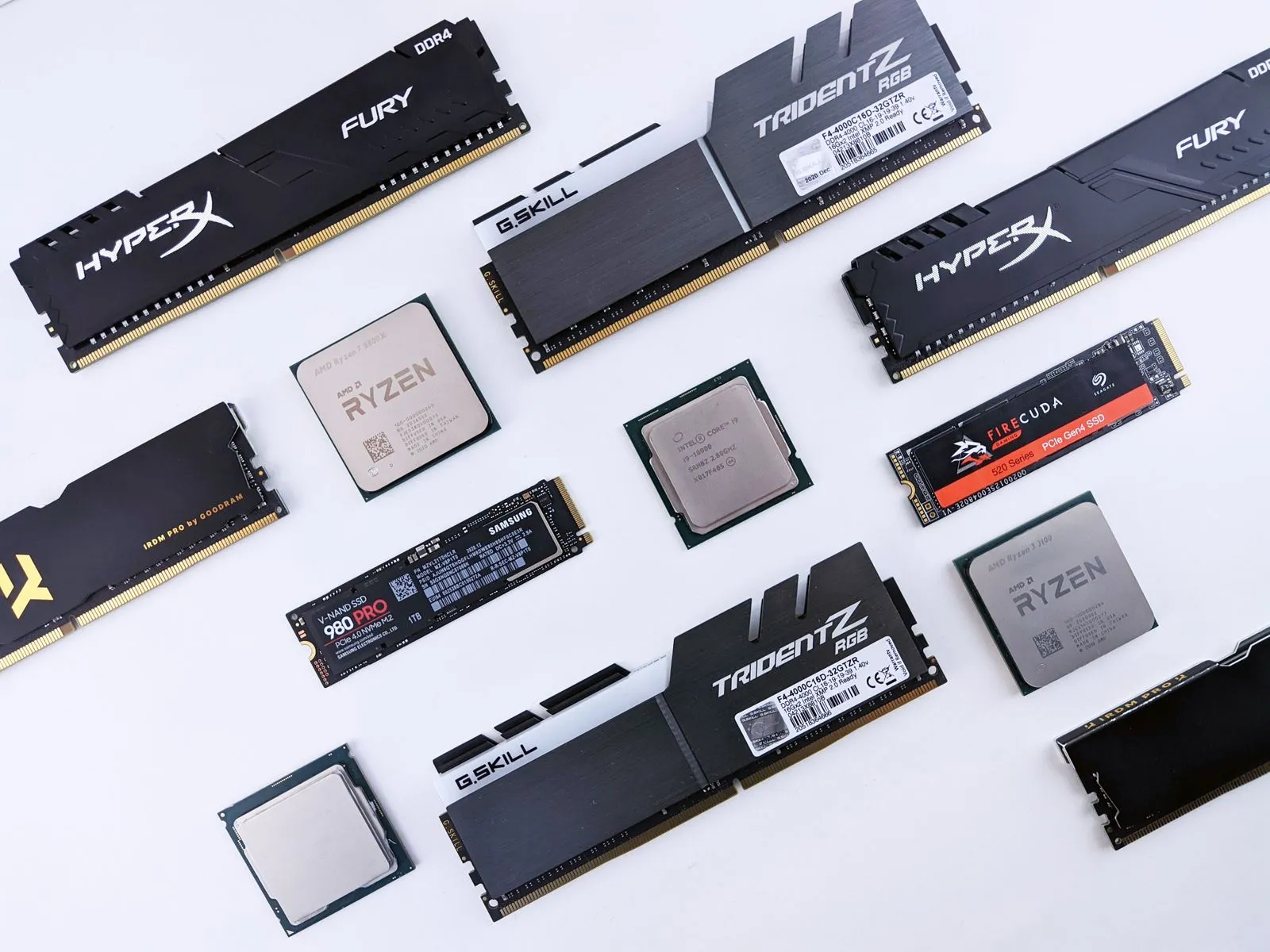
An older computer does not always need a full replacement. The right upgrade depends on what you ask it to do and where it struggles. Slow startup and long file loads point to different limits than stuttering games or sluggish multitasking. Before buying parts, check your computer’s current specifications, identify the task that feels slow, and confirm which components your system can support. That makes it easier to spend on an upgrade you will actually notice.
Find the Actual Bottleneck
Start by describing the problem in practical terms: Does the computer take too long to start, freeze when several apps are open, or struggle with video editing or games? Open your operating system’s performance monitor while repeating the task. Check whether memory, storage, processor, or graphics use stays near its limit. A single brief spike may be normal; a resource that remains heavily used during routine work is a stronger upgrade candidate.
Check the computer’s model and current parts before shopping. Desktop and laptop designs differ in how much they allow you to replace, and some systems have memory soldered to the board or storage in a format they cannot accept. Review the manufacturer’s specifications or service guide for supported memory types, drive size, physical dimensions, and power requirements. If the computer is unusually old, confirm that a replacement part and operating system remain compatible.
When More Memory Helps
Memory, or RAM, helps the computer keep active apps and data ready for use. If performance worsens when you open many browser tabs, switch between applications, or work with large files, limited memory may be the constraint. A system that frequently relies on storage as temporary memory can feel unresponsive. Check memory use during your normal workload and compare it with the computer’s installed capacity before deciding to add more.
Match the new memory to the system’s supported generation, speed, capacity, and module configuration. A desktop may have accessible slots, while a thin laptop may have no upgradeable memory at all. If slots are occupied, you may need to replace existing modules rather than add one. More RAM will not fix slow startup caused by an aging drive or improve graphics performance by itself, so target it only when your usage points to a memory shortage.
When Storage Is the Priority
Consider a solid-state drive if the computer still uses a mechanical hard drive and takes a long time to start, open programs, or load files. An SSD can make those everyday actions feel much quicker because it accesses data differently. It can also provide a practical way to extend the useful life of an older machine, provided the computer supports the drive type and you can move or reinstall the operating system.
First check the existing drive’s interface, physical size, and available connection. Some computers accept a standard 2.5-inch SATA drive; others use a particular M.2 format, and M.2 drives can differ in interface. Back up important files before replacing or cloning a drive, and make sure you have a way to reinstall the operating system if needed. If the computer already has an SSD, adding capacity may help with low disk space, but it may not resolve unrelated slowdowns.
When Graphics Needs an Upgrade
A graphics upgrade makes the most sense when your main workload depends on visual processing: demanding games, 3D work, or video applications that use a graphics processor. Signs may include low frame rates, rendering delays, or an application reporting that graphics capability is insufficient. For web browsing, email, and routine office tasks, a more powerful graphics card often brings little benefit compared with fixing a storage or memory bottleneck.
Before selecting a graphics card, check the case dimensions, motherboard slot, power supply capacity and connectors, and the computer’s cooling. A card that fits the slot may still be too long, draw more power than the system can provide, or be limited by an older processor. Laptops usually do not support a conventional internal graphics-card replacement. Compare the requirements of the software you use with the system’s full specifications, not just the graphics card model.
Choose the upgrade that addresses a measured limitation, then verify compatibility before purchasing. For many older computers, an SSD improves everyday responsiveness; memory helps with demanding multitasking, while graphics upgrades suit specific visual workloads. If you are unsure which component your system supports, bring its model details to Madison Component Co. for help narrowing down compatible options.